Where AI and automation actually pay off in your business
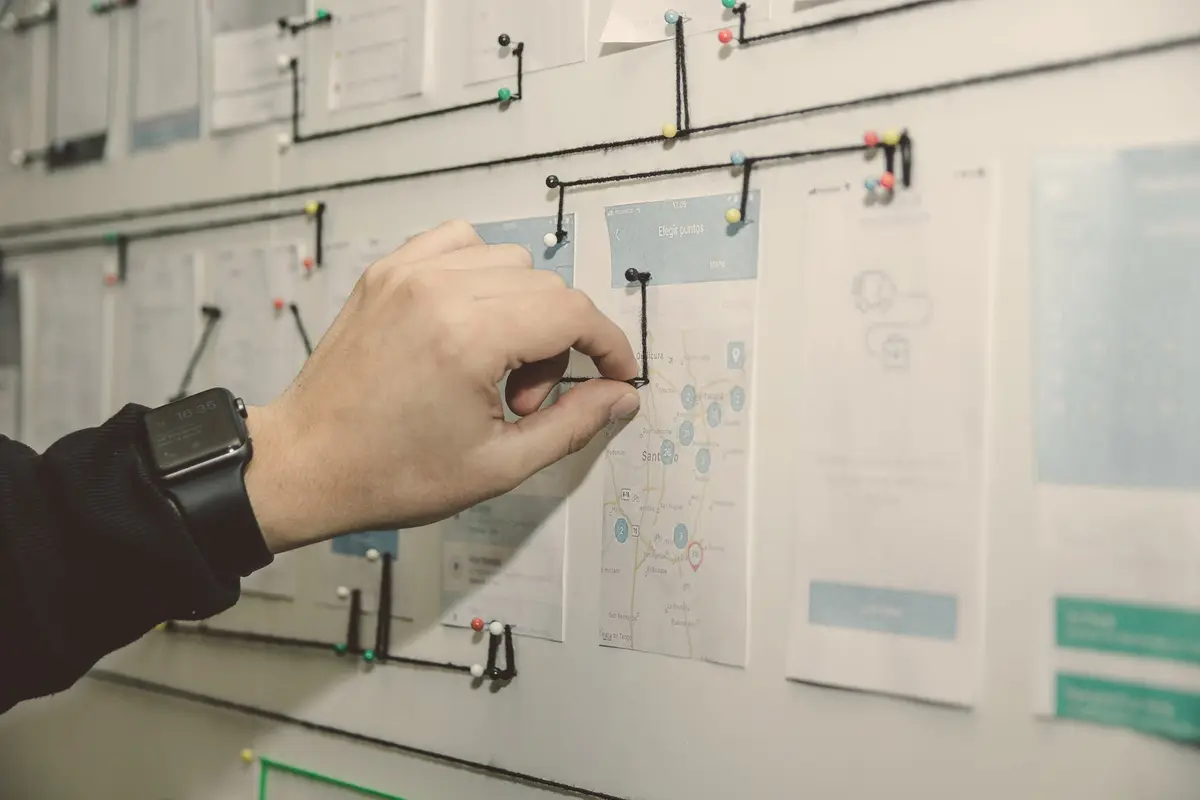
Start with the job, not the hype
Re-keying data between systems, chasing approvals by email, rebuilding the same report every week: this is work software should be doing. Some of it needs plain automation with clear rules. Some of it needs AI, because it involves reading, judging or answering.
Most projects stall because they start with the technology instead of a problem worth solving. We start the other way around: find the task that is slow, manual or expensive, prove it works on something small, then build it properly, private to your data and safe to rely on. Not sure where you sit? Our AI readiness quiz is a five-minute gut-check.
Where does AI do a real job?
One recurring task at a time, each tied to a number: hours returned, errors cut, or cost removed.
Reading documents
Invoices, dockets, purchase orders and certificates read and keyed in automatically, with a person checking the ones it is unsure about.
Checking against rules
Claims, orders and forms checked against your rules before they move on, so errors are caught at the start instead of at month end.
Answering from your records
Staff ask a question in plain words and get an answer from your own documents and systems, with the source shown, not a guess.
Forecasting
Demand, stock and workload predicted from the history you already hold, so planning starts from a number rather than a hunch.
Where AI and automation earn their place
Five kinds of work, each with its own page.
AI agents
Jobs that need judgement, done end to end inside your systems.
Intelligent document processing
Invoices, dockets and certificates read into fields, not retyped.
Retrieval-augmented generation
Answers from your own documents, with the source shown.
Robotic process automation
The copying, checking and re-keying between systems, done by software where the rules are clear.
Intelligent automation
Approvals, intake and handoffs that move through their steps without anyone chasing them.
How an AI project runs
-
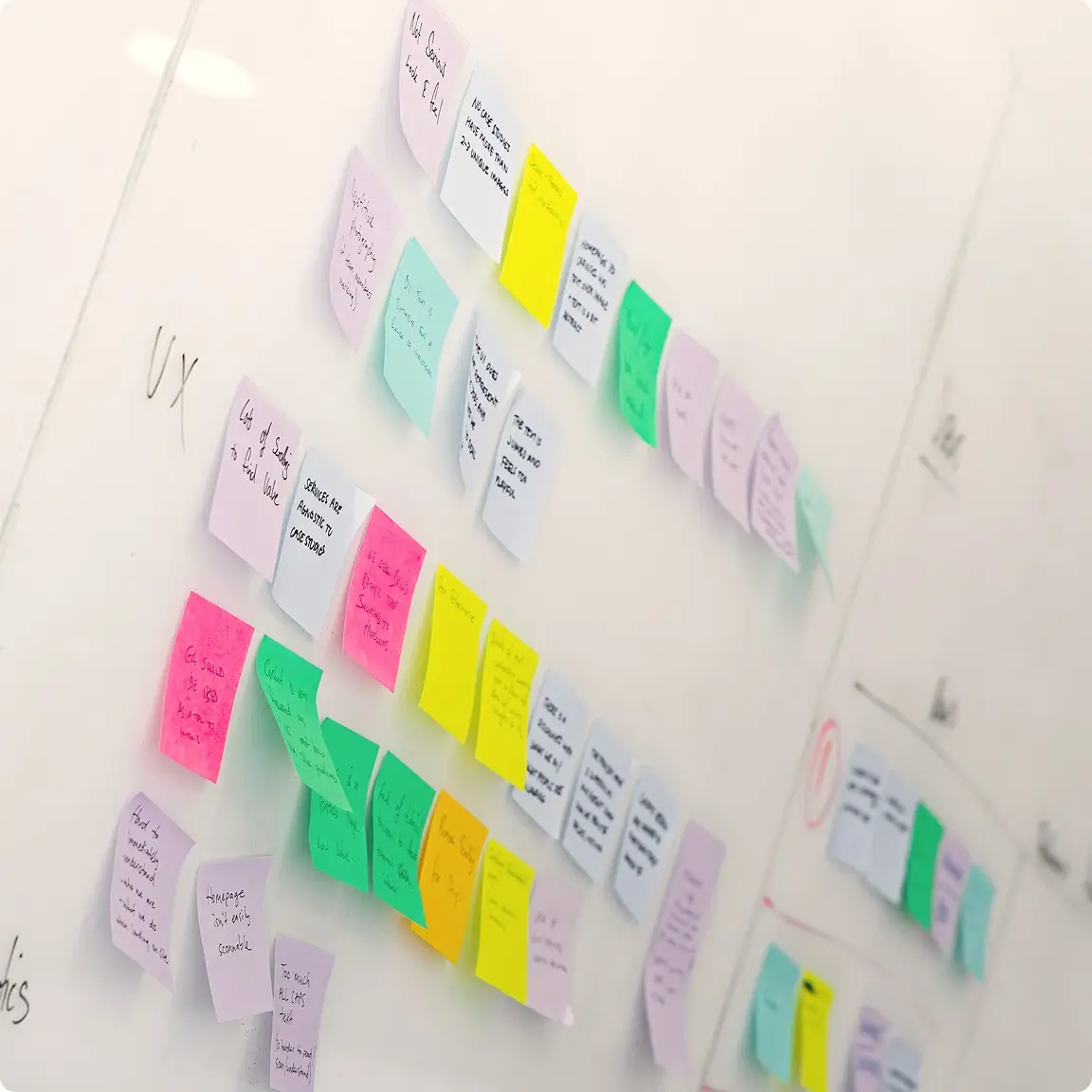
A readiness assessment separates the tasks where AI pays off from the ones where it is a gimmick, and tells you honestly if the answer is 'not yet.'
-
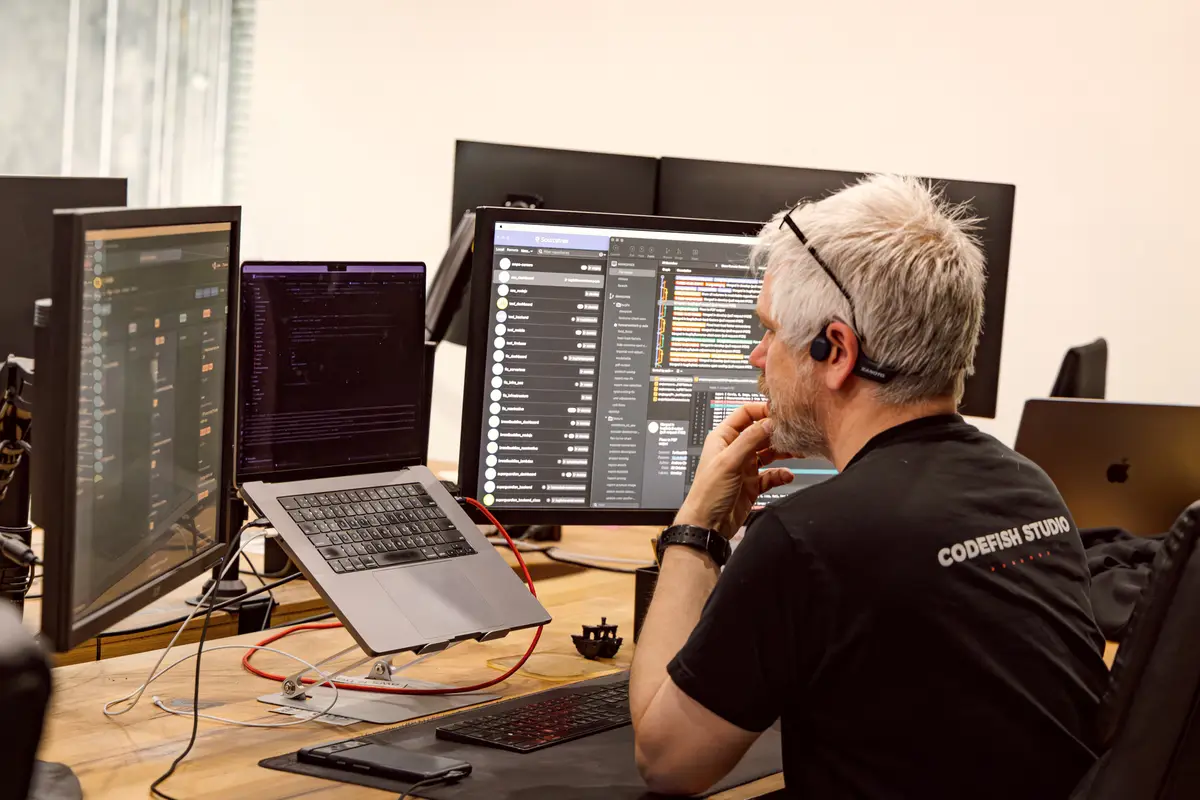
A small, time-boxed proof-of-concept on your own data. Real output you can judge before committing to a full build.
-

We ship it into the workflow with your data kept private and the guardrails to trust it. You own the system and the IP.
What does an AI project cost?
Every project is priced before work starts.
Find the job
A Rapid Insight Workshop at a fixed $9,000 + GST maps where AI pays off in your operation and gives you a costed scope to take anywhere.
Prove it
A proof of concept through Ignite typically costs $25,000 to $50,000, built on your own data so you can judge real output before committing.
Build it in
A full build through Amplify starts from around $100,000 and is quoted fixed price. Running costs (usage, monitoring and review time) are agreed up front.
How we deliver AI work

CTO as a Service
A fractional CTO — a senior technology leader part-time, owning your roadmap, managing your developers, and making the calls that cost real money when they go wrong.

AI Agents
An AI agent is software that owns a job end to end, such as invoicing or compliance checks, and only hands you the exceptions. A first agent is usually proven in an Ignite build at $25K to $50K over four to eight weeks, then run and improved under Apex from $15K a month.

AI Readiness Assessment
Start with the free two-minute check — five questions, an honest read on where your business sits. Go deeper with a full assessment when you are ready to commit.

Intelligent Automation
Robotic process automation (RPA) follows fixed rules, while intelligent automation also handles inputs that vary and need judgement, like an invoice in a new format. We map your process first, then automate the work that actually slows your team down.
AI questions we get asked
Readiness is less about technology and more about whether you have a clear task and clean-enough data to point it at. Our five-minute quiz gives you a fast read, and a full readiness assessment goes deeper, including telling you when the honest answer is 'fix the process first, add AI later.' Data is the usual gap: only 10% of Australian businesses actively collect or analyse data to make decisions, according to the [ABS](https://www.abs.gov.au/statistics/industry/technology-and-innovation/characteristics-australian-business/2024-25) (2024-25).
Off-the-shelf tools are great for general, low-stakes tasks and you should use them where they fit. Custom is worth it when the job depends on your own data, has to plug into your systems, or can't send information to a public tool. Often the right answer is a mix, and the assessment is where we work out which is which.
This is the first question, not the last. AI can be built so your data never leaves an environment you control and is never used to train someone else's model. For Australian businesses with privacy or compliance obligations, that architecture is a design decision we make up front.
An LLM is a model that predicts and generates language, useful for reading, writing, summarising, and classifying text. RAG (retrieval-augmented generation) is the technique of feeding that model your own trusted documents at question time, so it answers from your data instead of guessing. Together they are what most practical business AI is built on today.
An agent on a single well-scoped job typically reaches production in six to twelve weeks. Where the data underneath has to be sorted out first, that work comes before the build and is scoped separately, so the timeline you are quoted is the real one.
It will sometimes, so the system is designed for it. A person keeps the decisions where being wrong is expensive or can't be undone, anything the AI is unsure about goes to a person, and its output is checked against what a good result looks like, the same way you would review a new starter. That control matters to owners: about 65% of Australian SMEs not using AI cite distrust of its decisions or wanting human control, according to the [National AI Centre](https://www.ai.gov.au/news-and-insights/blog/ai-adoption-insights-december-2025-february-2026) (2026).
Anywhere the cost of a wrong answer is higher than the cost of a person doing the job, and anywhere the process is still changing week to week. Fix the process first, then automate the stable part. A readiness assessment tells you which tasks fall where.
Most AI builds start around $100,000 as a fixed-price Amplify project, or run inside an Apex partnership from $15,000 a month when the work is ongoing. Your exact figure comes out of a $9,000 + GST Rapid Insight Workshop, which picks the jobs worth automating and prices them before you commit to a build.
Ready to build something great?
Local partners, global standards – full service design and development.