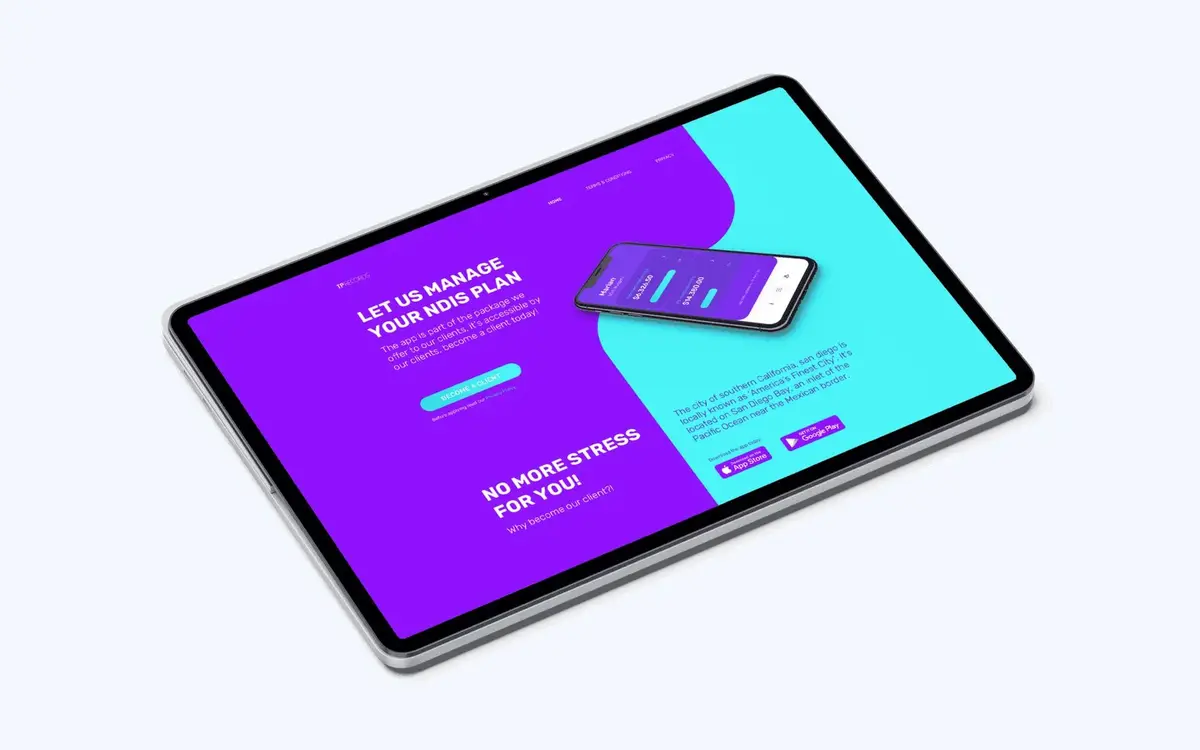
TP Records was growing faster than its spreadsheets could carry it, and every new client added more manual work to Tatum's day.
Tatum wanted the manual admin off her desk so the business could keep growing, on a platform shaped by her work rather than by what a generic product could be made to do.
Manual processes were the ceiling on the business, and off-the-shelf software could not be bent to fit NDIS rules.
Every plan TP Records manages carries an obligation behind it. Claims have to be checked against a participant's budget, invoices matched to the right support category, and records kept in a form the NDIS will accept on audit. None of that is optional, and all of it was being done by hand.
That work landed on one person. Each new participant added the same fixed block of admin, so the cost of growth was Tatum's own hours — and those had run out. The business could win a client and then struggle to service them, which is the worst position a plan manager can be in.
Tatum had already been through this once with other developers. Their approach was to take an existing product and bend the business to fit it, which meant workarounds layered on workarounds, and more process rather than less. What TP Records needed was the opposite: a system shaped around plan management, including the parts specific to the NDIS that are never going to appear in generic accounting software.
The decision was not a small one. For a business that size, commissioning custom software is a serious capital call, made before there is anything to look at.
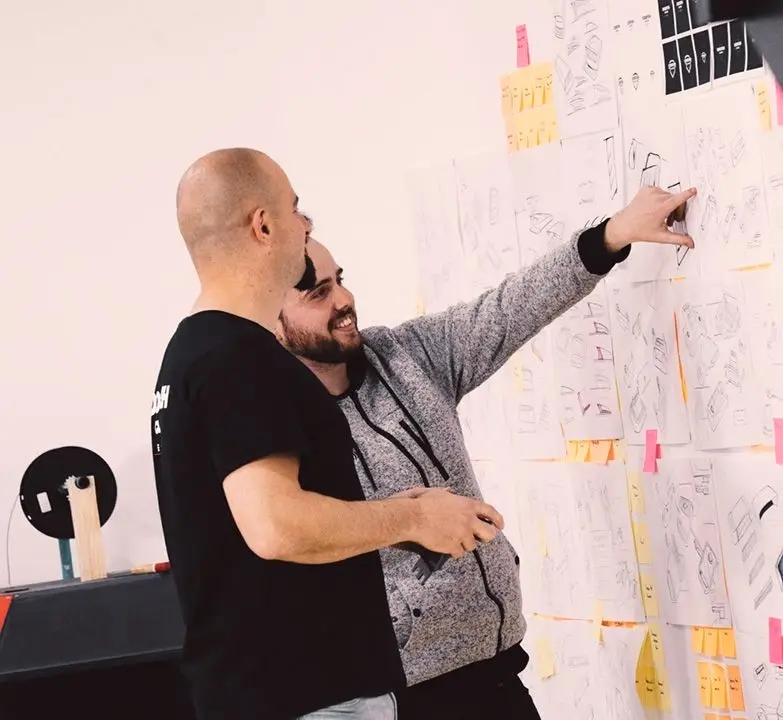
We started with a scoping workshop, mapping every step of a plan from intake to payment before writing any code.
The whole process went up on the wall — who touches a plan, in what order, what they have to check, and where the hours were actually going. That gave both sides one picture of the business instead of two.
It also set the order of work. Not everything is worth automating, and the workshop made it obvious which steps were costing the most and should be built first. That sequencing is what kept the investment defensible: value arrived early rather than at the end of a long build.
We kept the whole conversation in plain language. Tatum is not a technologist and did not need to become one, but she did need to understand what each decision cost and what it bought, so she could weigh the trade-offs herself instead of taking our word for it. Where a choice had a real consequence — more build now against more manual work later — we put it that way and let her call it.
The design work then focused on the daily jobs: claims, invoicing, participant records, and the reporting the NDIS requires. The interface had to be quick enough that nobody would be tempted back to the spreadsheet, and clear enough that a new staff member could be useful in days rather than months — which matters when the point of the exercise is to be able to hire.
Scoping workshop
Every step of a plan mapped from intake to payment, with the hours attached to each one.
UX and UI design
Claims, invoicing and participant records designed around the job as it is actually done.
Platform development
An in-house build to NDIS requirements, sequenced so the costliest steps were fixed first.
Support as it scaled
The platform extended as TP Records grew from a sole operator to a team of 13.
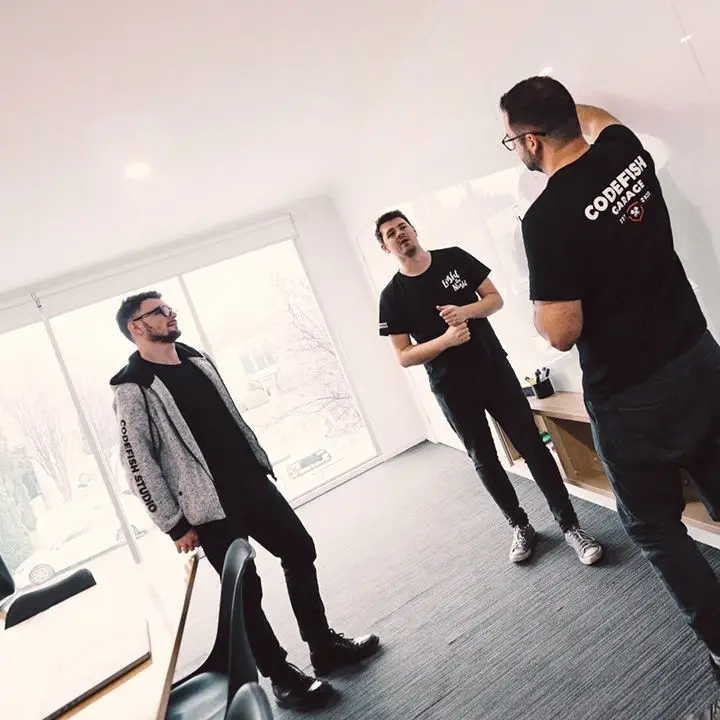
The platform became the backbone of the business, and TP Records grew from a sole operator to a team of 13.
TP Records now runs on a custom web platform built to NDIS requirements. The manual steps that used to cap growth are handled by the system, so taking on a participant no longer means finding the hours to service them. The admin cost of the next client is close to nothing.
That changed what the business could be. TP Records went from a sole operator to a team of 13, serving more participants than the original plan imagined, and the platform has carried every one of them without a rebuild. Bringing staff on got easier too, because the process now lives in the software instead of in one person's head.
The investment paid for itself within the first year. The more durable return is what it freed up: Tatum moved out of day-to-day processing and into running the company, which is the job she was actually trying to do.
Sole operator to a team of 13
The team grew as the platform absorbed the admin behind every new participant.
Paid back inside a year
The build returned its cost within the first twelve months of use.
Built to NDIS requirements
Claims, invoicing and records kept in the form the scheme accepts on audit.
No rebuild since
Every client added since has run on the same platform.
Making a bold decision to invest with CodeFish has really paid off. Working with them has allowed me to scale from a sole operator to a team of 13, and the platform has performed seamlessly.